
Qualifying for Social Security Disability with an Autoimmune Disorder (Updated 2026)
A diagnosis of lupus, or Systemic Lupus Erythematosus (SLE), is a profoundly life-altering event. As a chronic autoimmune disorder, lupus can attack various organs and body systems, causing a wide range of symptoms, from severe joint pain and debilitating fatigue to organ damage. These unpredictable flare-ups and persistent symptoms often make it impossible to maintain a stable work life. This can lead to a devastating loss of income at a time when medical expenses for treatment and specialized care are at their highest.
Fortunately, the Social Security Administration (SSA) offers vital financial assistance through its disability benefit programs: Social Security Disability Insurance (SSDI) and Supplemental Security Income (SSI). While lupus is considered an “invisible disability,” many individuals with the condition can secure benefits by providing comprehensive medical evidence of their disease’s multi-systemic nature and severity.
This guide will walk you through the essential steps and key considerations for qualifying for Social Security Disability with a lupus diagnosis.
Your Pathways to Social Security Disability for Lupus
The SSA uses a rigorous 5-step sequential evaluation process to determine if any applicant meets the definition of disability under Social Security law. For lupus claims, the process often focuses heavily on a few key pathways.
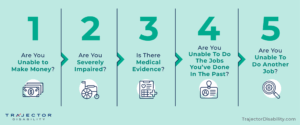
How the SSA Evaluates Autoimmune Disorder Claims
The SSA uses a rigorous, 5-step sequential evaluation process to determine if any applicant, including those with lupus, meets the definition of disability under Social Security law.
- Are you working at a Substantial Gainful Activity (SGA) level? If your monthly earnings exceed the SGA limit, you are generally considered not disabled, regardless of your medical condition.
- Is your condition severe? Your medical condition(s) must significantly limit your ability to perform basic work activities (e.g., walking, standing, lifting, interacting).
- Does your condition meet or medically equal a listing in the Blue Book? The SSA maintains a “Listing of Impairments” (often called the “Blue Book”) that describes conditions severe enough to prevent work. Lupus has specific criteria for automatic approval.
- Can you do your past relevant work? If your condition does not meet or equal a listing, the SSA will assess if your limitations prevent you from performing any of your past jobs from the last 5 years.
- Can you do any other type of work? If you cannot do your past work, the SSA will consider your age, education, work experience, and Residual Functional Capacity (RFC) to determine if you can adjust to any other full-time work that exists in the national economy.
For lupus claims, the process often focuses heavily on Step 3 (Blue Book listing). If your condition meets specific criteria, your claim can be approved quickly. If not, the evaluation proceeds to Step 5 (Residual Functional Capacity), which assesses the overall impact of your lupus and its complications on your ability to work.

SSA Blue Book Listings for Lupus (Section 14.02 Systemic lupus erythematosus)
The SSA’s Blue Book (Listing of Impairments) provides specific medical criteria that, if met, automatically qualify an individual for disability benefits. Section 14.02, “Systemic lupus erythematosus,” is the key listing for lupus.
Key Criteria for Qualifying under Section 14.02: To meet this listing, you must prove that your lupus has resulted in one of two specific scenarios, based on medical documentation.
- Scenario A: Multi-System Involvement You must show that your lupus has affected at least two or more organs or body systems, with one of the systems involved to at least a “moderate” level of severity. Additionally, you must have at least two of the following constitutional symptoms:
- Severe fatigue
- Fever
- Malaise (general feeling of being unwell)
- Involuntary weight loss
- Scenario B: Repeated Manifestations with Functional Limitations This alternative path is for individuals with repeated flare-ups. You must show repeated manifestations of lupus with at least two of the constitutional symptoms listed above (severe fatigue, fever, malaise, or involuntary weight loss). In addition, your condition must result in a marked limitation in at least one of the following areas:
- Activities of daily living: Your ability to care for yourself, manage a household, and engage in hobbies.
- Maintaining social functioning: Your ability to interact with others and maintain relationships.
- Concentration, persistence, or pace: Your ability to stay on task, follow instructions, and complete tasks in a timely manner.
Lupus is often considered an invisible disability, and its symptoms, particularly fatigue, can be difficult to prove. For more information on how to document these types of conditions, read our article on SSDI for Invisible Disabilities.
Building a Case Based on Functional Limitations
If your lupus does not meet one of the specific Blue Book listings, you can still be approved for benefits by proving that your symptoms and limitations prevent you from working. This is where the Residual Functional Capacity (RFC) assessment is crucial.
You must document all of your symptoms and how they impact your ability to perform work-related activities. This includes:
- Severe joint pain and stiffness: This is a common symptom of lupus that can significantly impact your ability to sit, stand, walk, or use your hands for work. For more on this, refer to our article on Musculoskeletal Disability Evaluation.
- Extreme fatigue: This is a hallmark symptom of lupus and a major cause of disability. You must document how this fatigue limits your ability to concentrate or maintain a full work schedule.
- Cognitive issues: Often called “lupus fog,” cognitive impairment can affect memory, concentration, and the ability to perform complex tasks, even in a sedentary job.
- Photosensitivity: If sun exposure triggers your symptoms, it can be a significant limitation, especially for jobs that require working outdoors or near windows.

Learn More about the SSDI Application Process
For more information and help from a professional team, reach out to Trajector Disability, or read “The Beginner’s Guide to Disability Benefits”. Our exclusive guide includes information on different programs, eligibility, how to apply, and more.
A lupus diagnosis presents immense challenges, but qualifying for Social Security Disability benefits can provide a crucial financial lifeline. Don’t let the complexity of the Social Security system add to the burden of your illness. By understanding how to apply, what medical evidence is required, and the different pathways to approval, you can significantly increase your chances of securing the benefits you deserve.
We Can Help You Navigate Your SSDI Journey!
At Trajector Disability, our team of experienced Social Security disability advocates understands the challenges individuals with autoimmune disorders face when applying for SSDI. We can help you navigate this process!
Frequently Asked Questions (FAQs)
What kind of medical evidence is most important for my lupus claim?
Objective medical evidence is key. This includes lab tests confirming your diagnosis (e.g., positive ANA and other lupus-specific antibodies), imaging results showing organ or joint damage, and detailed notes from your rheumatologist or other treating physicians. The SSA will also want to see a history of hospitalizations or documented treatment plans.
Does a lupus diagnosis automatically qualify me for disability?
No. A lupus diagnosis alone is not enough. You must prove that your condition is severe enough to prevent you from engaging in Substantial Gainful Activity (SGA) for at least 12 months. Your claim is based on the specific symptoms, complications, and functional limitations that arise from your lupus, not just the diagnosis itself.
How do I prove "moderate" severity of organ involvement?
The SSA uses the medical evidence to determine the severity of your organ involvement. This could be a biopsy report showing kidney damage (lupus nephritis), a cardiac exam showing pericarditis, or imaging studies that document joint deformities. Your doctor's opinion, particularly if it's well-supported by medical tests and findings, is also crucial.
I have other autoimmune conditions in addition to lupus. Does that help?
Yes. The SSA will consider the combined effects of all your medical conditions when evaluating your claim. If you have co-occurring conditions like fibromyalgia or rheumatoid arthritis, the cumulative effect of all your symptoms and limitations may make a stronger case for disability than a single condition alone.